
Starting off with emergency roof patch services, this introductory paragraph aims to provide a comprehensive overview that will pique the interest of readers.
Exploring the significance of immediate roof repairs and the process involved can help homeowners navigate unexpected roofing issues effectively.
Overview of Emergency Roof Patch Services
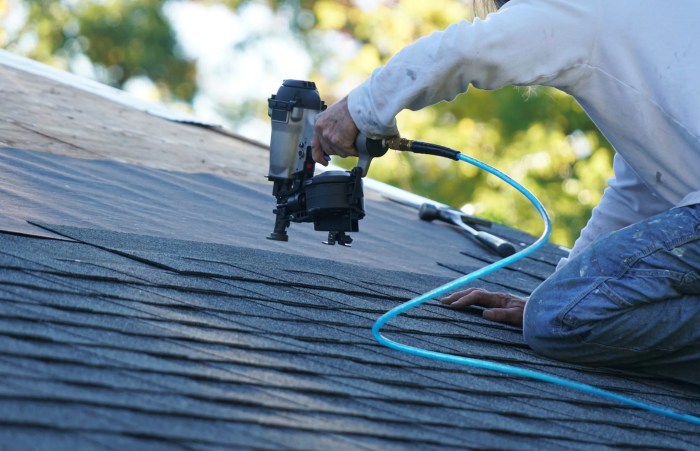
Emergency roof patch services play a crucial role in addressing urgent issues with roofs to prevent further damage and protect the interior of a building. These services are essential in situations where immediate action is required to prevent leaks, structural damage, or safety hazards.
Importance of Emergency Roof Patch Services
- Preventing water damage: Emergency roof patch services help in sealing leaks quickly, preventing water from seeping into the building and causing damage to the interior.
- Ensuring safety: By addressing roof issues promptly, emergency patch services help in maintaining the structural integrity of the building and preventing accidents or injuries.
- Protecting property: Timely roof patching can help protect valuable possessions inside the building from being damaged by water or other elements.
Situations Requiring Emergency Roof Patch Services
- After severe weather events like storms or heavy rainfall that cause roof damage.
- When roof leaks are detected, especially in areas prone to water infiltration.
- Following accidents or incidents that result in roof punctures or tears.
Process Involved in Emergency Roof Patch Services
The typical process for emergency roof patch services involves the following steps:
- Assessment: A thorough inspection of the roof to identify the extent of the damage and determine the best course of action.
- Cleaning and preparation: Clearing the area around the damaged section and preparing it for patching.
- Patching: Applying suitable materials to seal the leak or repair the damaged area of the roof.
- Quality check: Ensuring that the patch is secure and will effectively prevent further damage or leaks.
Types of Emergency Roof Patch Materials
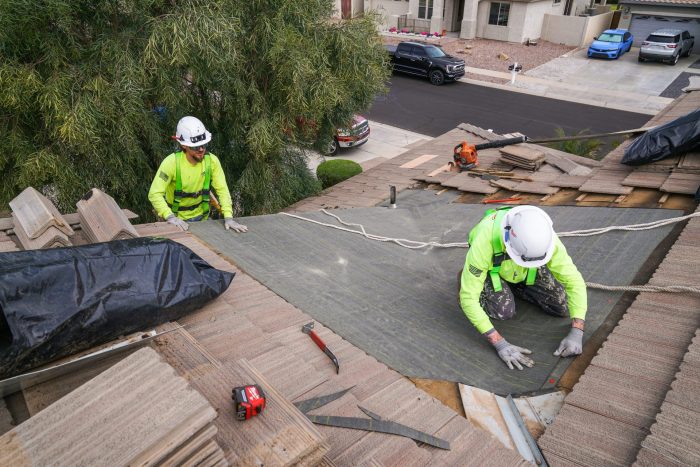
When it comes to emergency roof patching, choosing the right materials is crucial to ensure the effectiveness and durability of the repair. Different materials offer varying levels of weather resistance and longevity. Let's explore some common options below:
Asphalt Shingles
Asphalt shingles are a popular choice for emergency roof patching due to their affordability and ease of installation. They provide decent weather resistance and can be a temporary solution for minor roof leaks.
Roofing Cement
Roofing cement, also known as mastic or asphalt plastic cement, is a versatile material that can be used for emergency roof patching. It offers excellent adhesion and can withstand various weather conditions. However, it may not be suitable for large or long-term repairs.
Tarps
Tarps are often used for emergency roof patching to provide temporary protection against leaks. They are easy to install and can be an effective short-term solution until more permanent repairs can be made. However, tarps are not a long-term fix and may need to be replaced periodically.
Roof Sealant
Roof sealant is a liquid waterproofing material that can be applied to small cracks and gaps in the roof. It offers good weather resistance and can help prevent further water damage. However, it is not suitable for larger or more severe roof leaks.
Metal Roofing Patch
Metal roofing patches are strong and durable solutions for emergency roof repairs. They can provide long-lasting protection against leaks and are suitable for a wide range of weather conditions. However, metal patches may be more expensive and require professional installation.
Steps to Perform an Emergency Roof Patch
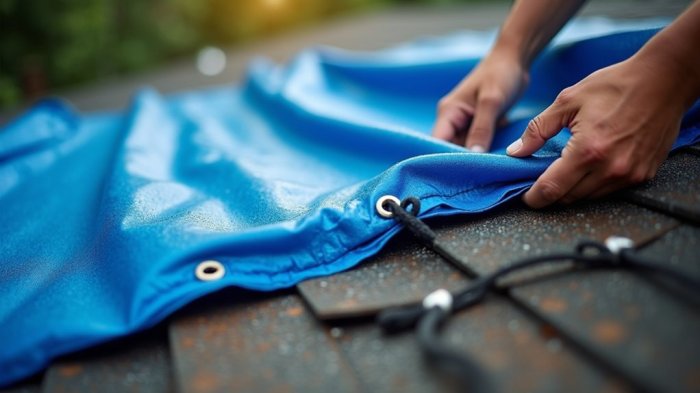
In the event of a roof leak, it is crucial to act quickly to prevent further damage to your property. Here are the steps to perform an emergency roof patch:
Preparing for an Emergency Roof Patch
Before starting the patching process, gather all necessary materials and tools. This may include a tarp, roofing cement, nails, a hammer, a ladder, and safety gear such as gloves and goggles.
- Inspect the Roof: Carefully examine the roof to identify the source of the leak. Look for missing shingles, damaged flashing, or any other visible signs of damage.
- Clean the Area: Remove any debris or dirt around the leak to ensure a clean surface for patching.
- Secure the Area: Use a tarp or plastic sheeting to cover the leak and prevent water from entering your home until a permanent repair can be made.
Identifying the Location of a Roof Leak
Locating the exact spot of a roof leak can be challenging, but it is essential to address the issue effectively.
- Check Attic: Start by inspecting the attic for signs of water stains or mold growth, which can indicate the location of the leak.
- Trace Water Stains: Follow any water stains on the ceiling back to their source on the roof to pinpoint the area that needs to be patched.
- Use a Hose: If the source of the leak is not readily apparent, enlist the help of a friend to spray water on different sections of the roof while you observe from inside to identify the leak.
Applying a Temporary Patch
While waiting for professional help to arrive, you can apply a temporary patch to minimize water damage.
- Clean and Dry the Area: Ensure the area around the leak is clean and dry before applying the patch.
- Apply Roofing Cement: Use roofing cement to seal the leak by spreading it over the damaged area and pressing it down firmly.
- Secure with Nails: For added reinforcement, nail down a piece of metal flashing or a shingle over the patched area and seal the edges with more roofing cement.
- Monitor the Patch: Regularly check the temporary patch to ensure it is holding up and preventing further water intrusion until a permanent repair can be made.
Safety Precautions for Emergency Roof Patching
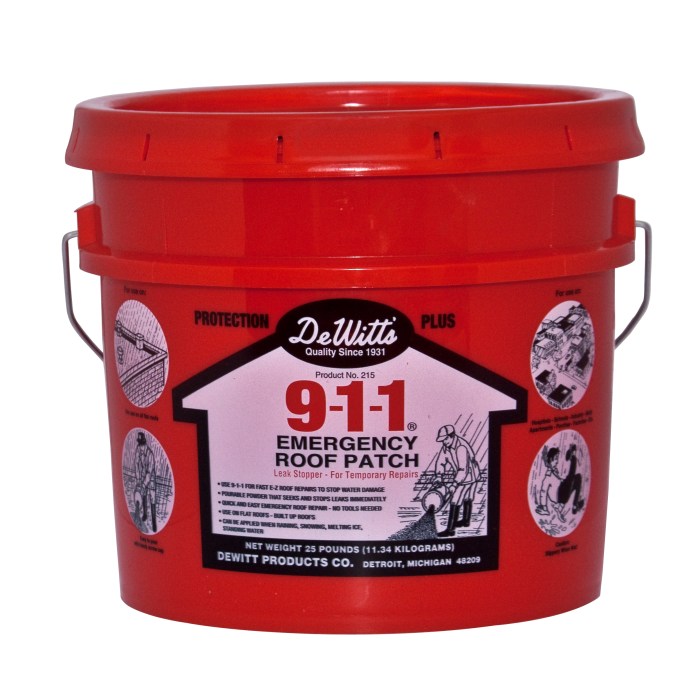
When it comes to performing emergency roof patching, safety should always be the top priority. There are several important safety measures to follow to ensure the well-being of yourself and others during this process.
Potential Hazards
There are various potential hazards associated with patching a roof during an emergency. These hazards may include:
- Slippery surfaces due to wet or icy conditions
- Unstable roofing materials
- Risk of falling from heights
- Electrical hazards from overhead power lines
Tips for Staying Safe
Here are some tips to help you stay safe while performing temporary roof repairs:
- Always wear appropriate personal protective equipment, such as gloves, goggles, and non-slip footwear.
- Avoid working on the roof during adverse weather conditions, such as high winds or heavy rain.
- Use caution when climbing onto the roof and maintain three points of contact at all times.
- Never work alone - have a spotter or helper available in case of emergencies.
- If you are unsure about the safety of the situation, do not proceed with the repair and seek professional help.
Benefits of Professional Emergency Roof Patch Services
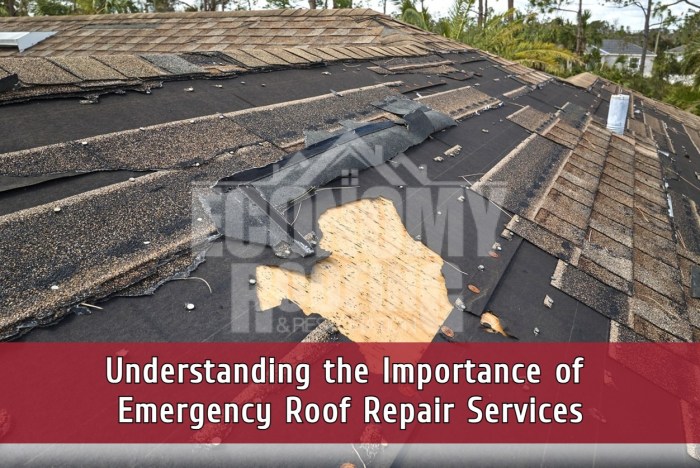
Professional emergency roof patch services offer several advantages over DIY repairs. Hiring experienced roofers can ensure a more effective and long-lasting repair, providing peace of mind during emergency situations. Additionally, professional services often come with warranties or guarantees that can protect your investment and provide added assurance.
Quality Workmanship
Professional roofers have the expertise and skills to perform high-quality roof patching, using the right materials and techniques for a durable repair. Their experience allows them to quickly assess the damage and provide an effective solution, ensuring that your roof is properly patched to prevent further issues.
Time and Cost Savings
While DIY roof repairs may seem like a cost-effective option, they can often lead to more extensive damage and costly repairs in the long run. Hiring professional roofers for emergency patch services can save you time and money by getting the job done right the first time, preventing the need for additional repairs or replacements down the line.
Safety and Liability
Roof repairs can be dangerous, especially in emergency situations where time is of the essence. Professional roofers are equipped with the necessary safety gear and training to work at heights safely, reducing the risk of accidents or injuries. By hiring professional services, you can also avoid potential liability issues that may arise from accidents during DIY repairs.
Guarantees and Warranties
Many professional roofers offer guarantees or warranties on their work, providing added protection for your investment. These guarantees ensure that if any issues arise with the repair, the roofing company will come back to fix it at no additional cost.
This added peace of mind can give you confidence in the quality of the work performed by professionals.
Concluding Remarks

Concluding the discussion on emergency roof patch services, it's evident that timely interventions and professional assistance play a crucial role in maintaining the integrity of roofs.
FAQ
What are the common materials used for emergency roof patching?
Common materials include roofing cement, tarp, sealants, and roofing tape.
How can one identify the location of a roof leak?
Look for water stains on the ceiling, follow the trail upwards, or use a hose to simulate rain while someone checks for leaks inside.
What are important safety measures to follow during emergency roof patching?
Wear appropriate safety gear, work with a partner, avoid working on wet surfaces, and be cautious of electrical hazards.
Why hire professional roofers for emergency patch services?
Professional roofers ensure quality work, have the necessary expertise, and can provide warranties or guarantees for their services.



![How Much Does It Cost to Repair a Roof Leak? [2026 Data] | Angi](https://deals.quena.id/wp-content/uploads/2026/05/TOP-DAWG-EXTERIORS-LLC-Roofing-roof-shingles_2-120x86.jpg)