
Exploring the world of residential roof installation companies, this introduction delves into the importance of professional services and the various factors to consider when selecting the right company. From the services offered to cost considerations, this guide covers everything you need to know about residential roof installation.
As we navigate through the different aspects of residential roof installation companies, you'll gain valuable insights into the process, materials, and costs involved in ensuring a sturdy and reliable roof for your home.
Importance of Residential Roof Installation Companies
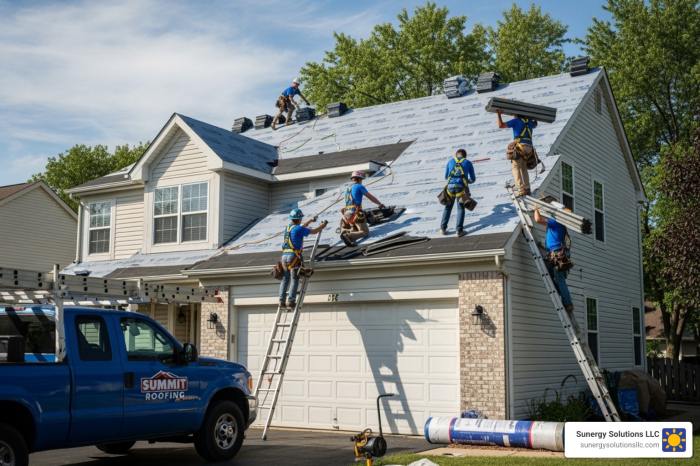
When it comes to installing a new roof on your residential property, hiring a professional roof installation company is crucial for ensuring a high-quality and long-lasting result. These companies have the expertise, experience, and resources to handle the job efficiently and effectively.
Benefits of Choosing Expert Services for Roof Installation
- Professionalism: Roof installation companies employ skilled professionals who are trained to work on different types of roofs, ensuring a job well done.
- Quality Materials: These companies have access to high-quality materials that are durable and designed to withstand various weather conditions.
- Safety Measures: Professionals follow strict safety protocols to prevent accidents and injuries during the installation process.
- Warranty: Most reputable roof installation companies offer warranties on their work, providing you with peace of mind and protection in case of any issues.
Risks Associated with DIY Roof Installation
- Improper Installation: DIY roof installation can lead to improper installation, which can result in leaks, water damage, and other issues.
- Safety Hazards: Working on a roof without proper training and equipment can pose serious safety risks, such as falls or accidents.
- Voided Warranties: Some roofing material warranties may be voided if the installation is not done by a professional, costing you more in the long run.
Services Offered by Residential Roof Installation Companies
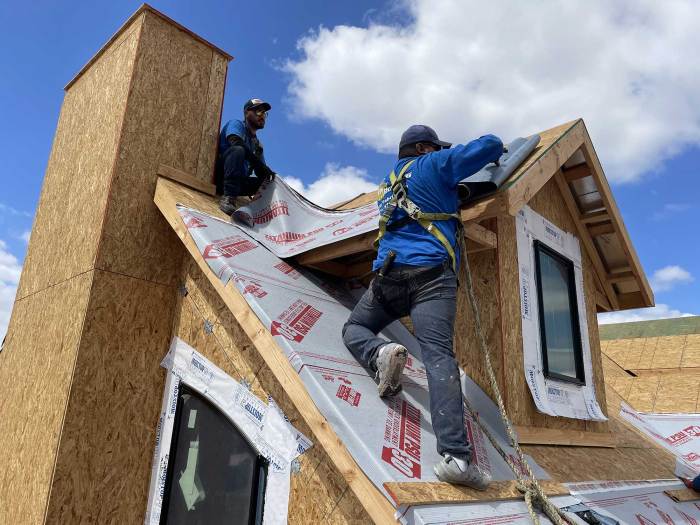
Residential roof installation companies offer a range of services to ensure that homeowners have a sturdy and durable roof over their heads. These services are crucial in maintaining the integrity of the home and protecting it from the elements.
Roof Inspection Process
Residential roof installation companies typically start with a thorough roof inspection to assess the condition of the existing roof. During this process, trained professionals will look for signs of damage, wear and tear, and potential areas of concern. This inspection helps in identifying any issues that need to be addressed before the new roof installation begins.
Types of Roofing Materials
Residential roof installation companies offer a variety of roofing materials to suit the needs and preferences of homeowners. Some common types of roofing materials include:
- Asphalt shingles: Affordable and versatile, asphalt shingles are a popular choice for residential roofs.
- Metal roofing: Known for its durability and longevity, metal roofing is a great option for homeowners looking for a long-lasting solution.
- Tile roofing: Offering a traditional and elegant look, tile roofing is a favorite among homeowners who value aesthetics.
- Wood shakes: Providing a natural and rustic appearance, wood shakes are a classic choice for residential roofs.
Each type of roofing material has its own set of benefits and considerations, and residential roof installation companies can help homeowners choose the best option for their specific needs.
Factors to Consider When Choosing a Residential Roof Installation Company
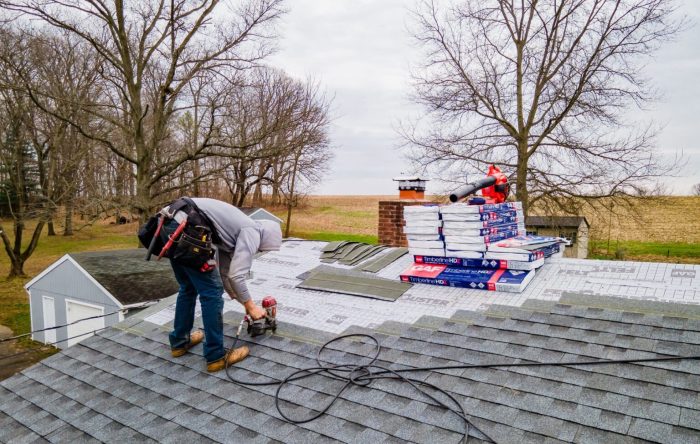
When it comes to selecting a residential roof installation company, there are several key factors that homeowners should take into consideration to ensure they make the right choice. From the type of roofing materials offered to the company's certifications and licenses, each factor plays a crucial role in the decision-making process.
Types of Roofing Materials
Choosing the right roofing material is essential for the longevity and durability of your roof. Different companies may offer a variety of materials such as asphalt shingles, metal roofing, tile roofing, or even eco-friendly options like solar panels. It's important to compare and contrast the pros and cons of each material to determine which best suits your needs and budget.
Certifications and Licenses
One of the most important factors to consider when hiring a residential roof installation company is their certifications and licenses. A reputable company should be properly licensed and insured to protect both the homeowner and the workers. Additionally, certifications from manufacturers can indicate that the company is trained to install specific roofing materials correctly.
Experience and Reputation
Another crucial factor to consider is the company's experience and reputation in the industry. Look for a company with a proven track record of successful roof installations and satisfied customers. Reading reviews and asking for referrals can give you insight into the quality of their work and customer service.
Pricing and Warranty
While cost should not be the only deciding factor, it is important to get multiple quotes from different companies to compare pricing. Additionally, inquire about the warranty offered on the installation and materials. A reputable company should provide a warranty that covers both labor and materials to protect your investment.
Customer Service and Communication
Lastly, consider the level of customer service and communication provided by the company. A reliable roof installation company should be responsive to your inquiries, provide clear and detailed contracts, and keep you informed throughout the installation process. Good communication is key to a successful roofing project.
Steps Involved in Residential Roof Installation
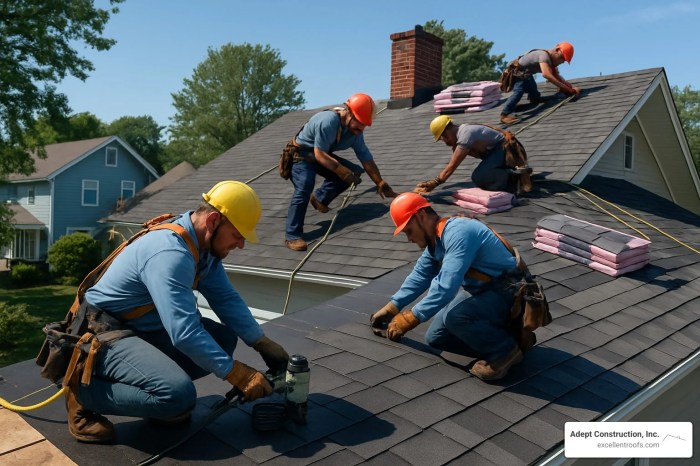
Installing a residential roof involves several steps that ensure the proper construction and longevity of the roof. Below is a breakdown of the typical process involved in residential roof installation.
1. Inspection and Planning
Before starting the installation, a professional roofing team will inspect the current roof to assess any damage or issues that need to be addressed. They will then create a detailed plan for the installation process.
2. Removing Old Roofing Materials
The next step involves removing the old roofing materials, including shingles, underlayment, and flashing. This step ensures a clean surface for the new roof to be installed.
3. Repairing and Preparing the Roof Deck
After removing the old materials, the roof deck will be inspected for any damage. Any necessary repairs will be made, and the deck will be prepared for the installation of new materials.
4. Installing Underlayment and Flashing
The underlayment and flashing are essential components of a roof that provide waterproofing and protection against leaks. These materials will be installed before the main roofing material.
5. Roofing Material Installation
Once the underlayment and flashing are in place, the main roofing material, such as shingles or tiles, will be installed according to the manufacturer's instructions. This step requires precision and attention to detail.
6. Ridge Vent and Ventilation Installation
Proper ventilation is crucial for the longevity of a roof. A ridge vent and other ventilation components will be installed to ensure adequate airflow in the attic space.
7. Clean-up and Inspection
After the installation is complete, the roofing team will clean up the work area and perform a final inspection to ensure that the roof has been installed correctly and meets all safety and quality standards.
Cost Considerations for Residential Roof Installation
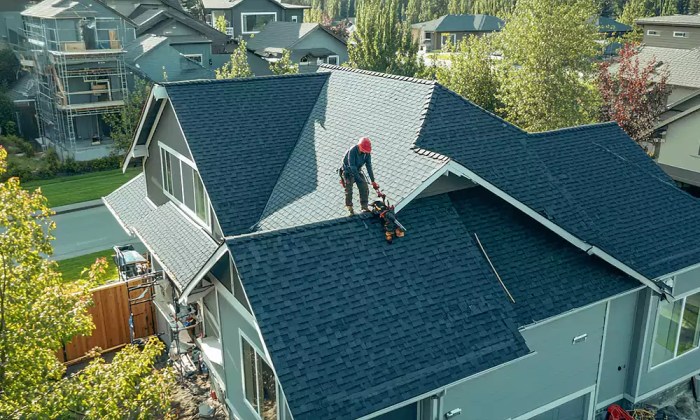
When it comes to residential roof installation, cost is a significant factor that homeowners need to consider. The total cost of installing a new roof can vary depending on several factors, including the size of the roof, materials used, labor costs, and any additional services required.
Understanding the different cost considerations can help homeowners make informed decisions and budget effectively for their roof installation project.
Factors Influencing the Cost of Residential Roof Installation
- The size and complexity of the roof: Larger roofs or roofs with complex designs may require more materials and labor, resulting in higher costs.
- Choice of materials: Different roofing materials come at varying price points, with options such as asphalt shingles, metal roofing, and tile roofing each having their own cost considerations.
- Labor costs: The cost of labor can vary depending on the location, the experience of the roofing crew, and the time needed to complete the installation.
- Additional services: Factors such as roof removal, disposal of old materials, and any necessary repairs or upgrades can add to the overall cost of the installation.
Comparison of Pricing Models Used by Different Roof Installation Companies
- Some roof installation companies may offer fixed pricing based on the size of the roof and the chosen materials, providing homeowners with a clear estimate upfront.
- Other companies may offer pricing based on the square footage of the roof, with additional costs for labor and materials added on top of the base price.
- Some companies may provide customized quotes based on a detailed assessment of the roof's condition and the specific requirements of the project.
Cost-Saving Tips for Homeowners
- Compare quotes from multiple roof installation companies to find the best value for your budget.
- Consider choosing more cost-effective roofing materials that still offer durability and longevity.
- Schedule your roof installation during off-peak seasons when contractors may offer discounts or promotions.
- Regular maintenance and inspections can help prolong the lifespan of your roof, reducing the need for costly repairs or replacements in the future.
Final Conclusion
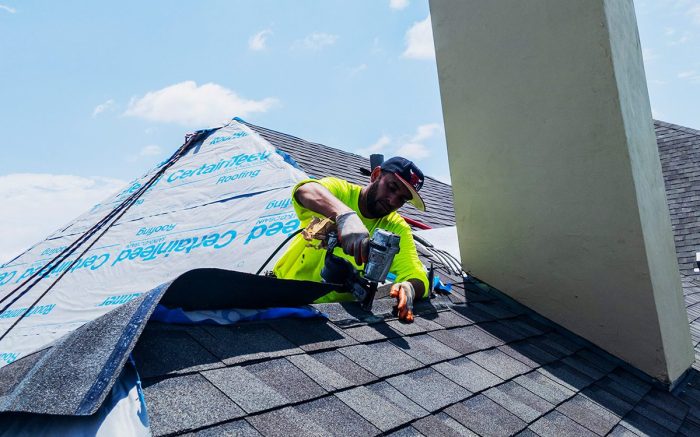
In conclusion, residential roof installation companies play a crucial role in ensuring the safety and longevity of your home. By understanding the services offered, factors to consider, and cost implications, homeowners can make informed decisions when it comes to roof installations.
Take the time to research and choose a reputable company that aligns with your needs and budget for a seamless and successful roof installation experience.
Detailed FAQs
What are the benefits of hiring professional residential roof installation companies?
Professional companies offer expertise, quality materials, and efficient installation, ensuring a durable and long-lasting roof for your home.
What factors should homeowners consider when choosing a residential roof installation company?
Homeowners should consider factors such as experience, reputation, certifications, and types of materials offered by the company.
How do different roofing materials offered by companies impact the overall installation process?
The choice of roofing materials can affect the cost, durability, and aesthetics of the roof, influencing the overall installation process and outcome.
What are some cost-saving tips for homeowners considering a new roof installation?
Homeowners can save costs by comparing quotes from different companies, considering energy-efficient materials, and scheduling installations during off-peak seasons.



![How Much Does It Cost to Repair a Roof Leak? [2026 Data] | Angi](https://deals.quena.id/wp-content/uploads/2026/05/TOP-DAWG-EXTERIORS-LLC-Roofing-roof-shingles_2-120x86.jpg)