
Commercial roofing cost estimate delves into the intricate details that shape the financial aspects of roofing projects for businesses. From the factors influencing costs to the types of materials used, this comprehensive guide sheds light on the complexities of budgeting for commercial roofing needs.
As we navigate through the key components of cost estimation, readers will gain valuable insights into the nuances of pricing and decision-making in the realm of commercial roofing.
Factors Affecting Commercial Roofing Cost Estimates
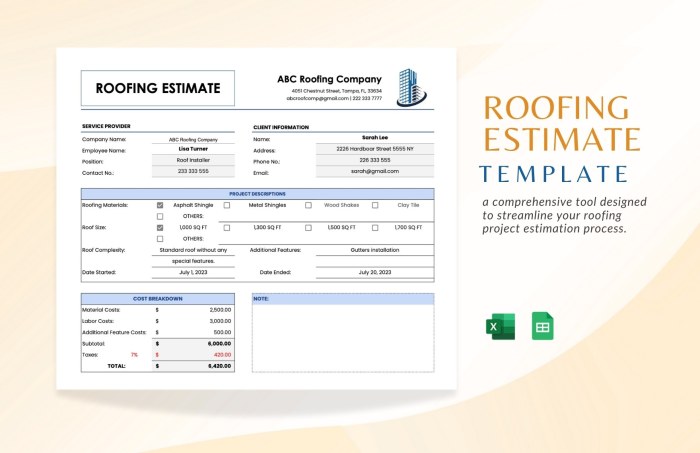
When it comes to estimating the cost of a commercial roofing project, several key factors come into play. Understanding these factors can help you anticipate and plan for the expenses involved.
Material Quality
The quality of materials used for the roofing project can significantly impact the cost estimate. High-quality materials may come at a higher price but can offer better durability and longevity, ultimately saving money in the long run.
Roof Size
The size of the commercial roof is a crucial factor in determining the overall cost. Larger roofs require more materials and labor, leading to higher expenses. Additionally, complex roof designs or multiple levels can further increase costs.
Roof Pitch
The pitch or slope of the roof can also influence the cost estimate. Steeper roofs are more challenging to work on and may require additional safety measures, resulting in higher labor costs.
Location
The location of the commercial building can impact the cost of the roofing project. Factors such as accessibility, local building codes, and weather conditions can all affect the overall expenses.
Existing Damage
If the commercial roof has existing damage or issues that need to be addressed before the new installation, this can add to the cost estimate. Repairing or replacing damaged sections can increase the overall project expenses.
Accessibility
The accessibility of the roof can also influence the cost estimate. If the roof is difficult to access or requires special equipment for installation, this can result in higher labor costs.
Labor Expenses
Labor costs play a significant role in the total cost of a commercial roofing project. Factors such as the complexity of the job, the experience of the roofing crew, and the duration of the project can all impact labor expenses.
Types of Commercial Roofing Materials
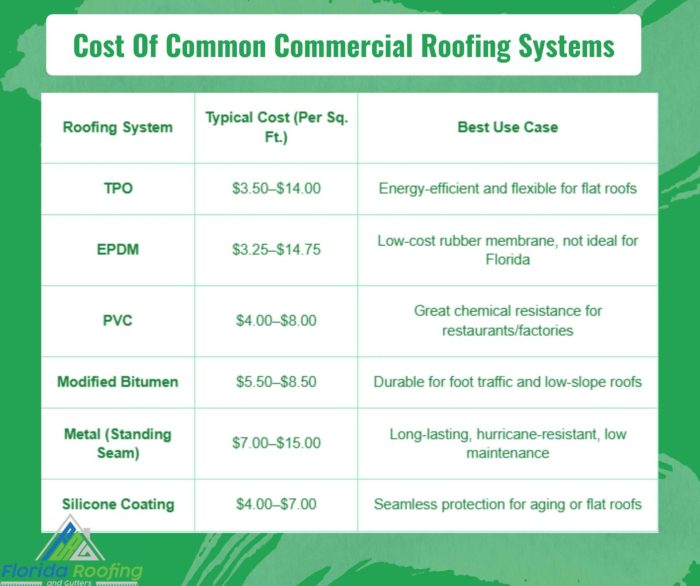
When it comes to commercial roofing projects, there are several common materials that are used to provide durability and protection. Each type of roofing material comes with its own cost implications, durability, maintenance requirements, and energy efficiency. Let's explore some of the most popular options:
EPDM Roofing
EPDM (ethylene propylene diene terpolymer) roofing is a synthetic rubber material known for its durability and weather resistance. It is relatively affordable compared to other commercial roofing materials and is easy to install. EPDM roofs typically require minimal maintenance and have a long lifespan.
TPO Roofing
TPO (thermoplastic polyolefin) roofing is a popular choice for commercial buildings due to its affordability and energy efficiency. TPO roofs are known for their UV resistance and ability to reflect heat, which can help reduce cooling costs. While TPO roofing is durable, it may require more maintenance compared to EPDM.
Metal Roofing
Metal roofing is a versatile and long-lasting option for commercial buildings. While metal roofs can be more expensive upfront, they are extremely durable and require minimal maintenance. Metal roofs are also energy-efficient, as they can reflect sunlight and reduce cooling costs.
Asphalt Shingle Roofing
Asphalt shingle roofing is a common choice for commercial buildings with sloped roofs. While asphalt shingles are cost-effective and easy to install, they may not be as durable or long-lasting as other roofing materials. Asphalt shingle roofs may require more frequent maintenance and are not as energy-efficient as some other options.
Calculating Commercial Roofing Cost Estimates
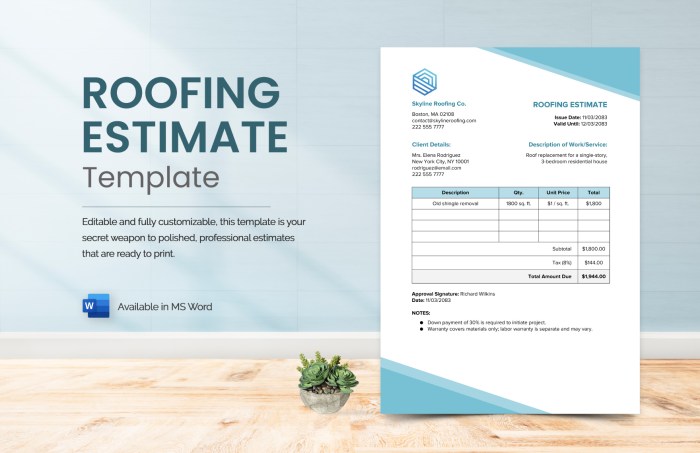
When calculating the cost of a commercial roofing project, several key factors must be taken into consideration to ensure an accurate estimate. Accurate measurements, material costs, labor expenses, warranties, permits, and unforeseen expenses all play a crucial role in determining the total cost of the project.
Importance of Accurate Measurements
Accurate measurements of the roof area are essential in determining the amount of materials needed for the project. Without precise measurements, there is a risk of underestimating or overestimating the required materials, leading to cost overruns or delays in the project.
Material Costs and Labor Expenses
The cost of materials, such as roofing shingles, membranes, insulation, and fasteners, can vary based on quality, brand, and quantity required. Labor expenses, including the cost of hiring skilled roofing contractors, play a significant role in the overall cost estimate.
It is essential to factor in both material costs and labor expenses to accurately calculate the total project cost.
Impact of Warranties, Permits, and Unforeseen Expenses
Warranties on roofing materials and labor can impact the overall cost estimate. Higher quality materials with longer warranties may come at a higher initial cost but can provide long-term savings by reducing the need for repairs or replacements. Permits for roofing projects also add to the total cost estimate and must be included in the calculation.
Additionally, unforeseen expenses, such as structural repairs or weather-related damage, can impact the project cost and should be considered when estimating the total expenses.
Hiring a Professional Roofing Contractor
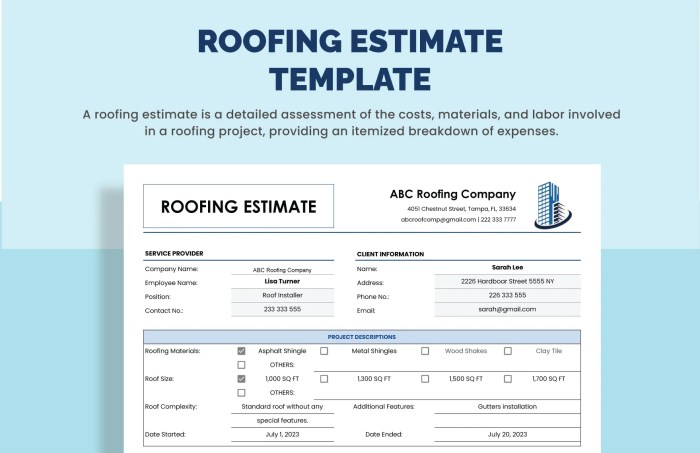
When it comes to selecting a reputable commercial roofing contractor, there are several key factors to consider. This decision is crucial as the quality of work done on your commercial roof can have a significant impact on its lifespan and functionality.
Significance of Experience, Certifications, and Insurance
- Experience: Look for a contractor with a proven track record in commercial roofing. Experience often translates to expertise and reliability in handling various roofing projects.
- Certifications: Choose a contractor who is certified by reputable organizations in the roofing industry. This ensures that they have the necessary skills and knowledge to perform the job effectively.
- Insurance: It is essential to verify that the roofing contractor has adequate insurance coverage. This protects you from liability in case of any accidents or damages that may occur during the project.
Obtaining Multiple Quotes and Reviewing Past Projects
- Getting multiple quotes: Reach out to several roofing contractors to obtain detailed quotes for your commercial roofing project. Comparing these quotes can help you identify competitive pricing and value-added services.
- Reviewing past projects: Ask the contractors for references or examples of their past commercial roofing projects. This allows you to assess the quality of their workmanship and determine if they align with your expectations.
Wrap-Up
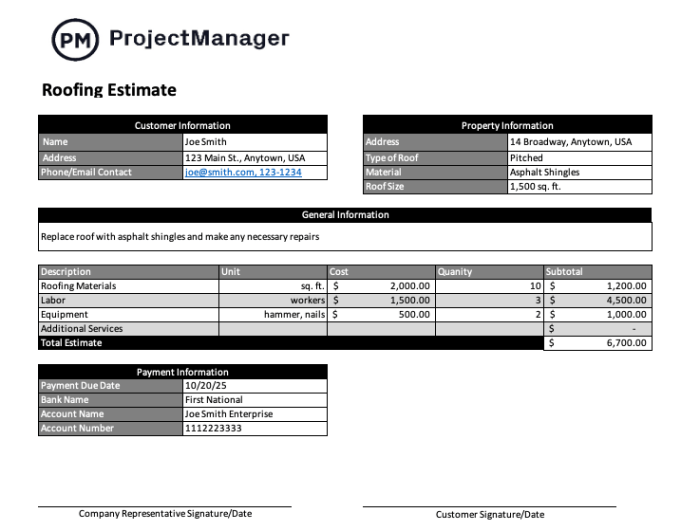
In conclusion, understanding the intricacies of commercial roofing cost estimates is essential for businesses seeking to embark on roofing projects. By grasping the various factors, materials, calculations, and considerations when hiring contractors, one can make informed decisions that align with their budget and quality expectations.
FAQ Insights
What are some key factors influencing commercial roofing cost estimates?
Factors such as material quality, roof size, location, existing damage, accessibility, and labor expenses play a significant role in determining the overall cost of a commercial roofing project.
Which types of materials are commonly used in commercial roofing projects?
Common materials include EPDM, TPO, metal, and asphalt shingles, each with varying costs, durability, maintenance requirements, and energy efficiency.
How is the total cost of a commercial roofing project calculated?
The total cost is calculated by considering accurate measurements, material costs, labor expenses, warranties, permits, and potential unforeseen expenses that may arise during the project.
What should businesses look for when hiring a professional roofing contractor?
Businesses should prioritize experience, certifications, insurance coverage, multiple quotes, and reviewing past projects to ensure they select a reputable commercial roofing contractor.
![How Much Does It Cost to Repair a Roof Leak? [2026 Data] | Angi](https://deals.quena.id/wp-content/uploads/2026/05/TOP-DAWG-EXTERIORS-LLC-Roofing-roof-shingles_2-75x75.jpg)


![How Much Does It Cost to Repair a Roof Leak? [2026 Data] | Angi](https://deals.quena.id/wp-content/uploads/2026/05/TOP-DAWG-EXTERIORS-LLC-Roofing-roof-shingles_2-120x86.jpg)