
Exploring industrial roofing near me, this article aims to provide a comprehensive overview of the topic, covering key aspects and considerations for businesses in need of reliable roofing solutions.
Delving into the types of materials, factors to consider, and how to find the right contractor, this guide is your go-to resource for all things industrial roofing near your location.
Importance of Industrial Roofing
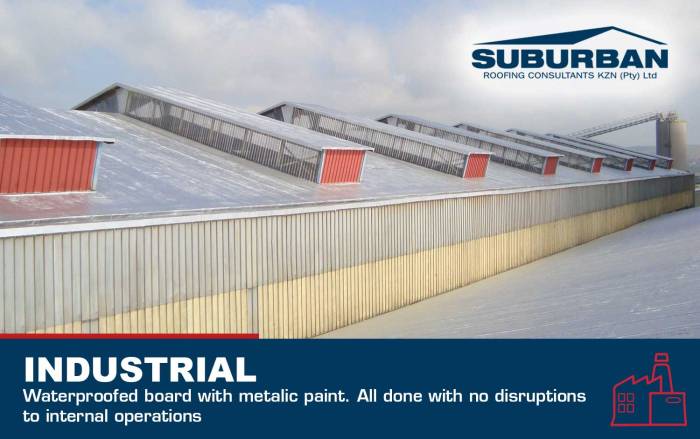
Having a well-maintained industrial roof is crucial for the overall safety, efficiency, and longevity of a business establishment. Industrial roofs protect the building, equipment, and employees from harsh weather conditions, leaks, and other potential damages.
Differences between Industrial and Residential Roofing
- Industrial roofs are designed to cover larger areas and support heavy equipment, unlike residential roofs that are typically smaller and simpler in structure.
- Industrial roofs require specialized materials and installation techniques to withstand the wear and tear of industrial activities.
- Industrial roofs often have unique features like skylights, ventilation systems, and access points for maintenance purposes.
Key Factors Making Industrial Roofing Crucial for Businesses
- Protection of Assets: Industrial roofs safeguard valuable assets, machinery, and inventory housed within the facility.
- Regulatory Compliance: Proper industrial roofing ensures compliance with safety and building codes, avoiding costly fines and penalties.
- Energy Efficiency: Well-maintained industrial roofs contribute to energy savings by providing insulation and reducing heating and cooling costs.
- Work Environment: A secure and weatherproof industrial roof creates a safe and comfortable work environment for employees, enhancing productivity.
Types of Industrial Roofing Materials
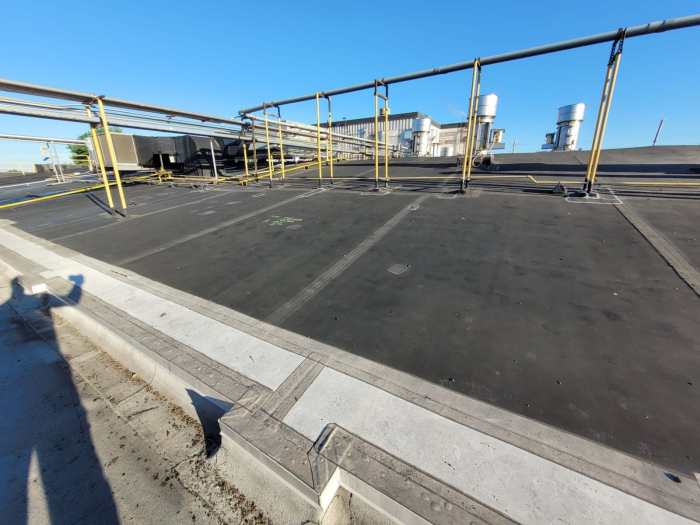
Industrial roofing materials play a crucial role in the overall performance and longevity of a building's roof. Here is an overview of common materials used in industrial roofing:
Metal Roofing
Metal roofing is a popular choice for industrial buildings due to its durability and longevity. It can withstand extreme weather conditions and is resistant to fire, rot, and insect damage. However, metal roofing can be prone to rust and can be noisy during heavy rain or hail storms.
PVC Roofing
PVC roofing is known for its flexibility and resistance to chemicals and grease, making it a suitable option for industrial facilities. It is also energy-efficient and can help reduce cooling costs. However, PVC roofing may not be as durable as metal roofing and can be punctured easily.
TPO Roofing
TPO roofing is a single-ply membrane that offers excellent resistance to UV rays and chemicals. It is also environmentally friendly and can help reduce energy costs. However, TPO roofing may not be as durable as metal roofing and can be prone to punctures and tears.
EPDM Roofing
EPDM roofing is a synthetic rubber material that is highly durable and resistant to UV rays and extreme temperatures. It is also easy to install and repair. However, EPDM roofing may not be as energy-efficient as PVC or TPO roofing and can be prone to punctures and tears.
Factors to Consider When Choosing Industrial Roofing
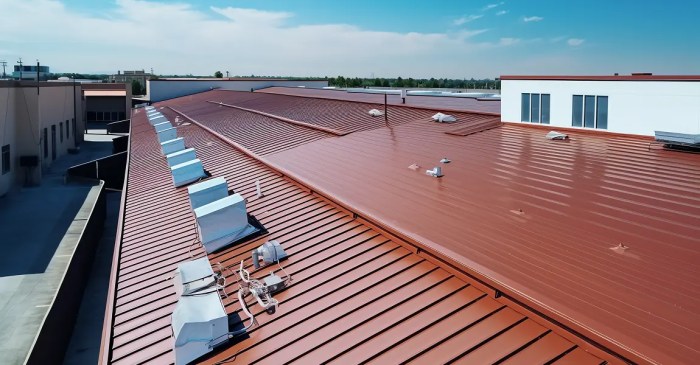
When it comes to selecting the right industrial roofing for your building, there are several key factors that need to be taken into consideration. Factors such as weather resistance, cost, maintenance, and energy efficiency all play a crucial role in determining the most suitable roofing material for your specific needs.
Weather Resistance
Weather resistance is a critical factor to consider when choosing industrial roofing. The roofing material must be able to withstand harsh weather conditions such as heavy rain, strong winds, snow, and extreme temperatures. It is important to select a roofing material that is durable and can provide long-lasting protection against the elements.
Cost
Cost is another important consideration when selecting industrial roofing. It is essential to choose a roofing material that fits within your budget while also providing the necessary level of quality and durability. Consider not only the initial cost of the roofing material but also the long-term maintenance and repair costs associated with it.
Maintenance
Maintenance requirements should also be taken into account when choosing industrial roofing
Location Influence
The location of the building can significantly influence the choice of roofing material. Factors such as climate, local weather patterns, and environmental conditions can impact the performance and longevity of the roofing system. It is essential to select a roofing material that is well-suited to the specific conditions of the building's location.
Energy Efficiency
Energy efficiency is becoming increasingly important in industrial roofing systems. By choosing a roofing material that is energy-efficient, you can reduce heating and cooling costs, improve overall energy performance, and contribute to a more sustainable building design. Consider factors such as insulation properties, solar reflectance, and thermal resistance when selecting an energy-efficient roofing material.
Finding the Right Industrial Roofing Contractor
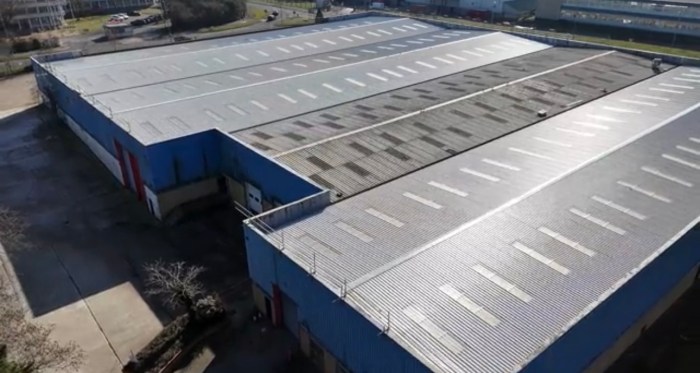
When it comes to industrial roofing, finding the right contractor is crucial for the success and longevity of your roof. A reputable roofing contractor can ensure that the job is done correctly, efficiently, and within budget. Here are some tips on how to research and select the best industrial roofing contractor for your project.
Researching and Selecting a Reputable Contractor
When researching industrial roofing contractors, it's essential to look for companies with a solid reputation in the industry. Here are some steps to help you find a reputable contractor:
- Ask for recommendations from friends, family, or business associates who have had industrial roofing work done.
- Check online reviews and ratings on trusted websites to see what previous clients have to say about their experiences with different contractors.
- Verify the contractor's credentials, including licenses, certifications, and affiliations with industry associations.
- Request references from the contractor and follow up with them to get feedback on the quality of work and professionalism.
Qualifications to Look for in an Industrial Roofing Company
When choosing an industrial roofing company, it's important to consider the following qualifications:
- Experience: Look for a contractor with a proven track record of successful industrial roofing projects.
- Expertise: Ensure the contractor specializes in industrial roofing and has the necessary skills and knowledge to handle your specific needs.
- Reputation: Select a company with a positive reputation in the industry for quality workmanship and customer satisfaction.
- Communication: Choose a contractor who communicates effectively, listens to your needs, and keeps you informed throughout the project.
Importance of Licensing, Insurance, and Warranties
Licensing, insurance, and warranties are essential factors to consider when hiring an industrial roofing contractor:
- Licensing: A licensed contractor is required to meet certain standards and regulations, ensuring that they are qualified to perform the work.
- Insurance: Make sure the contractor has liability insurance and workers' compensation coverage to protect you from any accidents or damages that may occur during the project.
- Warranties: Choose a contractor who offers warranties on their workmanship and materials to provide you with peace of mind and protection against any defects or issues that may arise after the project is completed.
Closing Notes
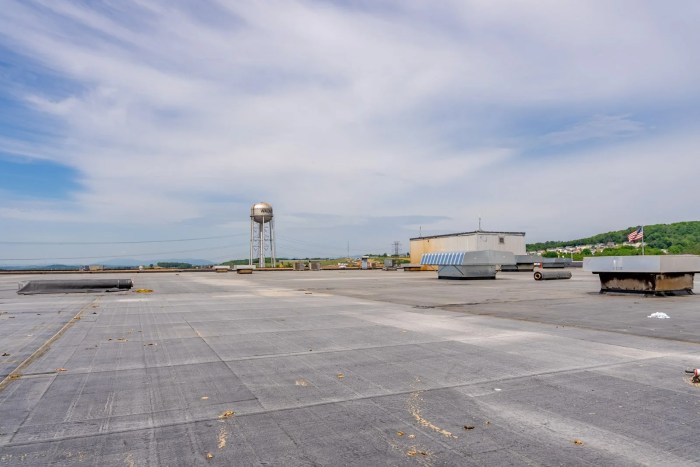
In conclusion, industrial roofing near me is a crucial investment for businesses seeking durability, energy efficiency, and long-term cost savings. By understanding the importance of maintenance, material choices, and contractor selection, you can ensure a secure and reliable roofing system for your industrial building.
Frequently Asked Questions
What are the key differences between industrial and residential roofing?
Industrial roofing is designed to withstand heavier loads and provide better insulation compared to residential roofing, which is more focused on aesthetics and curb appeal.
How can weather resistance impact the choice of industrial roofing material?
Weather resistance is crucial for industrial roofing as it determines the longevity and durability of the roof in harsh conditions such as strong winds, heavy rain, and extreme temperatures.
What qualifications should I look for in an industrial roofing contractor?
Look for certifications, experience in industrial projects, positive references, and a solid warranty package when selecting an industrial roofing contractor.



![How Much Does It Cost to Repair a Roof Leak? [2026 Data] | Angi](https://deals.quena.id/wp-content/uploads/2026/05/TOP-DAWG-EXTERIORS-LLC-Roofing-roof-shingles_2-120x86.jpg)