
Smart roofing systems installation is a pivotal aspect of modern construction, revolutionizing the way we approach residential and commercial buildings. From defining the components to exploring the benefits, this guide delves deep into the world of smart roofing systems installation with clarity and precision.
As we navigate through the planning, installation process, and maintenance of smart roofing systems, you'll uncover the intricate details that make this technology a game-changer in the construction industry.
Introduction to Smart Roofing Systems Installation
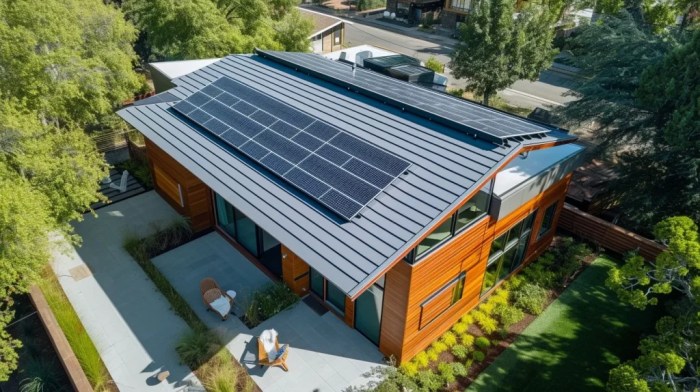
Smart roofing systems are advanced technology solutions designed to enhance the efficiency, sustainability, and overall performance of roofs in modern construction. These systems incorporate various components and features that provide benefits such as improved energy efficiency, increased durability, and enhanced safety for residential and commercial buildings.
Key Components of Smart Roofing Systems
- Solar Panels: Integration of solar panels for harnessing renewable energy and reducing electricity costs.
- Sensors: Installation of sensors to monitor environmental conditions, detect leaks, and enhance security.
- Smart Shingles: Use of smart shingles with built-in technology for weather resistance and energy efficiency.
- Insulation: Implementation of advanced insulation materials for better thermal regulation and energy conservation.
Benefits of Installing Smart Roofing Systems
- Energy Efficiency: Smart roofing systems help reduce energy consumption by utilizing renewable energy sources and improving insulation.
- Cost Savings: Lower energy bills, reduced maintenance expenses, and extended roof lifespan contribute to long-term cost savings.
- Environmental Impact: By utilizing renewable energy and promoting sustainability, smart roofing systems help reduce carbon footprint and environmental impact.
- Enhanced Safety: Sensors and smart technology enhance safety by detecting leaks, fire hazards, and other potential risks in real-time.
Planning for Smart Roofing Systems Installation
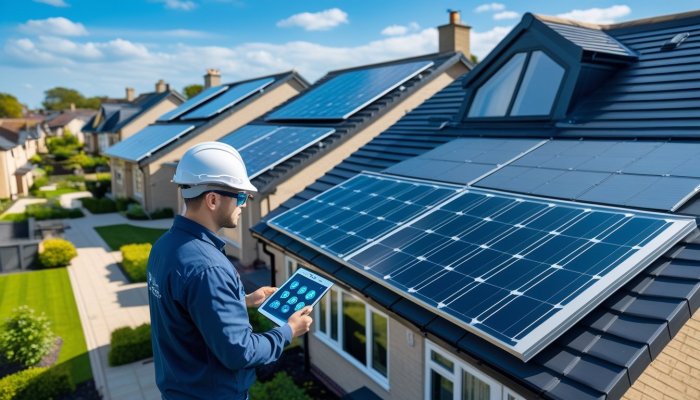
When preparing for the installation of smart roofing systems, there are several crucial steps to consider to ensure a successful project. One of the initial steps is to carefully plan and evaluate the specific requirements of the building where the system will be installed.
Factors to Consider When Choosing the Right Type of Smart Roofing System
Before selecting a smart roofing system, it is essential to take into account various factors that can influence the decision-making process. These factors include:
- The climate and weather conditions in the area where the building is located.
- The energy efficiency goals of the building owner.
- The budget allocated for the installation and maintenance of the smart roofing system.
- The compatibility of the smart roofing system with the existing infrastructure of the building.
- The desired features and functionalities of the smart roofing system, such as solar panels or rainwater harvesting.
Importance of Conducting a Thorough Inspection of the Existing Roof
Before proceeding with the installation of a smart roofing system, it is crucial to conduct a comprehensive inspection of the existing roof. This inspection helps in identifying any structural issues, leaks, or damage that need to be addressed before installing the new system.
By addressing these issues beforehand, potential problems can be prevented, ensuring the longevity and effectiveness of the smart roofing system.
Installation Process of Smart Roofing Systems
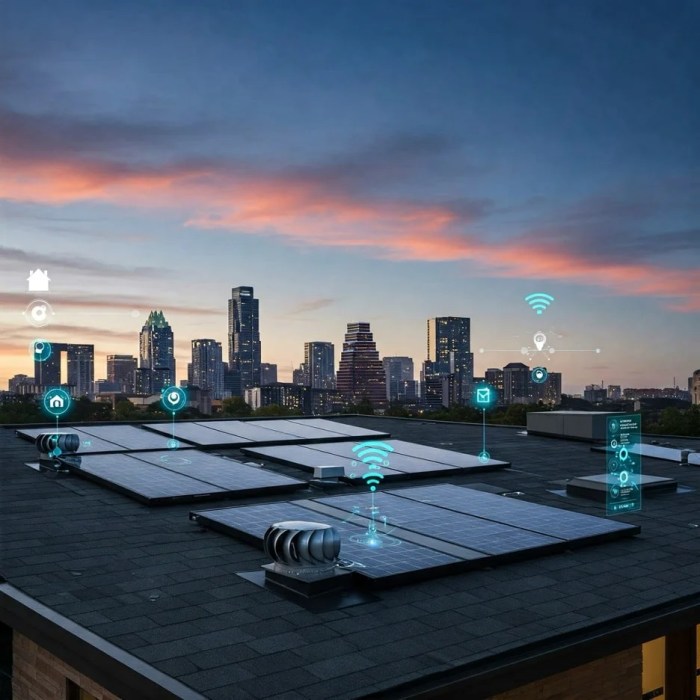
Installing smart roofing systems involves a detailed step-by-step process that requires proper preparation, specific materials, and strict adherence to safety measures. The integration of technology and automation plays a significant role in the successful installation of these advanced roofing systems, allowing for seamless operation and monitoring.
Additionally, smart roofing systems can be integrated with other smart home technologies to create a comprehensive and interconnected smart home environment.
Step-by-Step Installation Process
- Preparation: Begin by assessing the roof structure and ensuring it is suitable for the installation of smart roofing systems. Clear any debris or obstructions and make any necessary repairs.
- Materials Needed: Gather the required materials, including smart roof tiles, sensors, control units, wiring, and any additional components for connectivity.
- Safety Measures: Prioritize safety by using proper safety gear, following manufacturer guidelines, and working with a qualified roofing professional if needed.
Role of Technology and Automation
Technology and automation are essential components of smart roofing systems installation, enabling remote monitoring, energy optimization, and predictive maintenance. Automated processes streamline installation procedures and ensure precise integration with other smart home devices.
Integration with Other Smart Home Technologies
- Smart Home Hub: Connect the smart roofing system to a central smart home hub for centralized control and monitoring.
- Interoperability: Ensure compatibility with other smart devices such as thermostats, lighting systems, and security cameras for a synchronized smart home experience.
- Data Sharing: Enable data sharing between smart roofing systems and other devices to enhance overall efficiency and performance.
Maintenance and Troubleshooting of Smart Roofing Systems
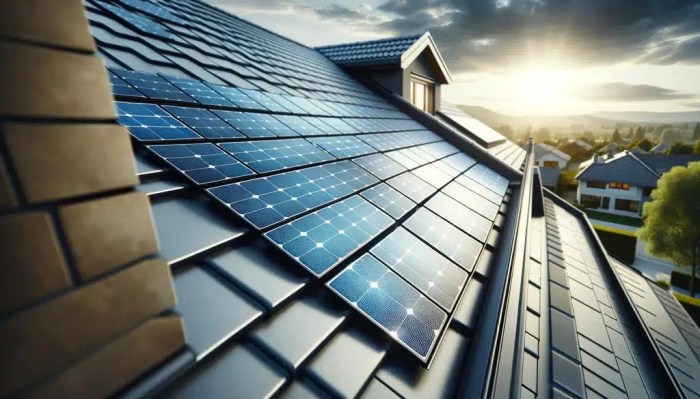
Maintaining a smart roofing system is crucial to ensure its optimal performance and longevity. Regular inspections and proper maintenance can help prevent potential issues and prolong the lifespan of the system.
Guidelines for Effective Maintenance
- Regularly clean the solar panels to remove dirt, dust, and debris that can obstruct sunlight absorption.
- Inspect the roof for any signs of damage, such as cracks or leaks, and repair them promptly to prevent further issues.
- Check the connections and wiring of the smart roofing system to ensure everything is functioning properly.
- Monitor the energy production of the system to detect any fluctuations or abnormalities that may indicate a problem.
- Keep the surrounding area clear of any obstructions that could shade the solar panels and reduce their efficiency.
Common Issues and Troubleshooting
- Faulty Sensors:If sensors in the smart roofing system are not working correctly, check their connections and replace any damaged sensors.
- Communication Errors:In case of communication issues between the components of the system, reset the connections and ensure proper communication protocols are followed.
- Power Fluctuations:If there are fluctuations in power output, check the inverters and connections for any issues that may be causing the problem.
- Weather Damage:Extreme weather conditions can damage the smart roofing system, so inspect the system after severe weather events and repair any damage immediately.
Importance of Regular Inspections
Regular inspections are essential to detect any potential issues early on and prevent costly repairs or replacements. By conducting routine maintenance and inspections, you can ensure that your smart roofing system operates efficiently and effectively for years to come.
Wrap-Up
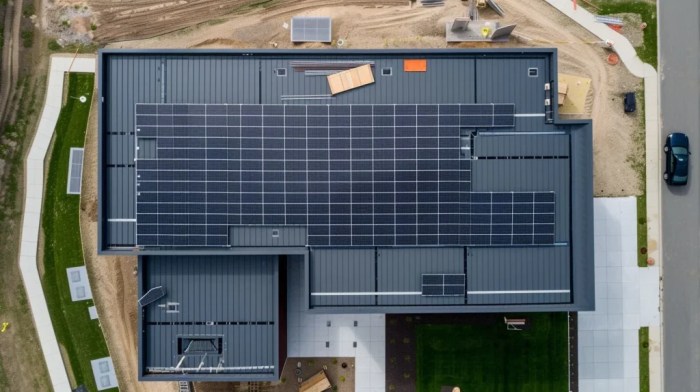
In conclusion, smart roofing systems installation offers a blend of innovation and practicality, enhancing the efficiency and sustainability of buildings. By embracing this advanced technology and adopting proper maintenance practices, you're not just installing a roof – you're investing in the future of construction.
FAQ Explained
What are the key components of a smart roofing system?
The key components include sensors, actuators, controllers, and a central hub for data processing and communication.
How can smart roofing systems be integrated with other smart home technologies?
Smart roofing systems can be integrated through a central smart home automation system that allows for seamless control and monitoring.
What factors should be considered when choosing the right type of smart roofing system?
Factors to consider include climate, building structure, energy efficiency goals, and budget constraints.
What are some common maintenance practices for smart roofing systems?
Regular inspections, cleaning debris, checking for leaks, and ensuring proper connectivity are essential maintenance practices.



![How Much Does It Cost to Repair a Roof Leak? [2026 Data] | Angi](https://deals.quena.id/wp-content/uploads/2026/05/TOP-DAWG-EXTERIORS-LLC-Roofing-roof-shingles_2-120x86.jpg)